




















What Is a Financial Plan and Why Does It Matter for Your Future
“Discover what a financial plan is, why it’s important, and how to create one. Learn step-by-step strategies for saving, investing, retirement, and debt management.”

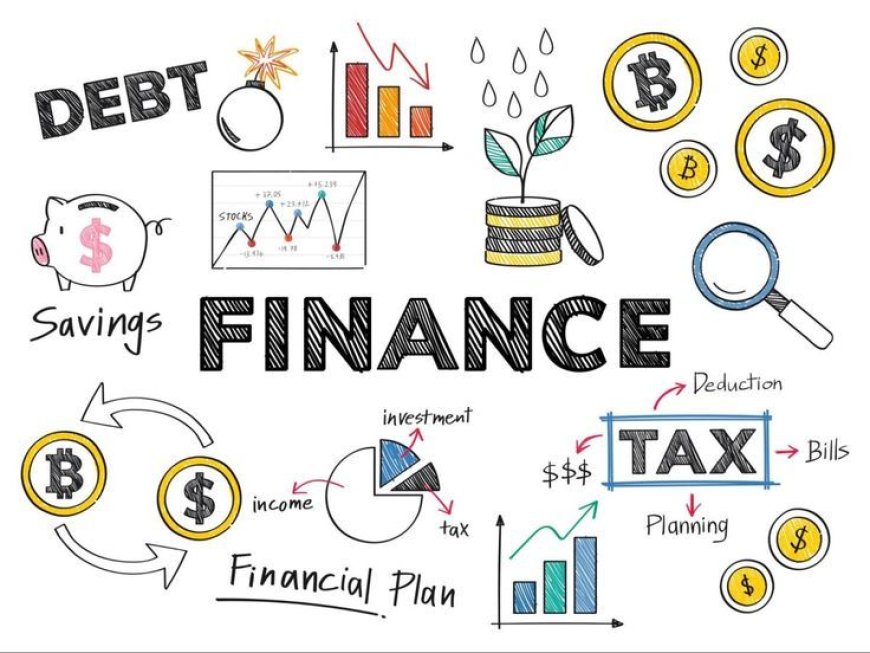
What Is a Financial Plan and Why Does It
Matter for Your Future
Managing money is something everyone does daily, but doing it strategically is what separates financial security from financial stress. A financial plan is the tool that helps you bridge the gap between where you are today and where you want to tomorrow.
In simple terms, a financial plan is a personalized roadmap that shows your current financial situation, identifies your short-term and long-term goals, and lays out strategies to achieve them. It’s not just about budgeting or investing; it’s about putting all aspects of your financial life together into one clear, flexible framework.
A good plan reflects your priorities, adapts to life changes, and keeps you on track to reach milestones such as buying a home, paying off debt, sending children to college, or enjoying a secure retirement.
Why You Need a Financial Plan
Many people think financial planning is only for the wealthy or for those nearing retirement. The truth is, anyone can benefit from having a financial plan — whether you’re a student, a young professional, a parent, or already established in your career.
Here are some reasons why a financial plan essential:
-
Clarity: You know exactly how much you earn, spend, save, and owe.
-
Control: You decide how your money should work for you instead of reacting to emergencies.
-
Preparedness: You’re better equipped to handle unexpected situations like job loss, illness, or economic downturns.
-
Wealth Creation: With discipline and smart investing, you grow your money over time.
-
Peace of Mind: Reduced stress and greater confidence about your financial future.
Think of it this way: Just like you wouldn’t start a road trip without a map, you shouldn’t live your financial life without a plan.
Core Components of a Financial Plan
A financial plan isn’t a one-size-fits-all document. It should be customized to your lifestyle, income, risk tolerance, and goals. However, there are common building blocks that every strong financial plan includes:
-
Cash Flow Management – Understanding income and expenses, setting budgets.
-
Savings Strategy – Building an emergency fund and preparing for short-term needs.
-
Debt Management – Reducing and eventually eliminating high-interest liabilities.
-
Investment Planning – Growing wealth through diversified investments.
-
Retirement Planning – Ensuring long-term financial independence.
-
Tax Planning – Reducing tax burdens legally and effectively.
-
Insurance & Risk Management – Protecting assets and family against unforeseen events.
-
Estate Planning – Planning how assets will be managed and distributed.
Together, these components form the foundation of a financial life that is stable today and secure tomorrow.
Step-by-Step Guide to Building a Financial Plan

Creating a financial plan sound complicated, but breaking it into steps makes it manageable. Here’s how you can build one:
1. Set Clear Financial Goals
Your plan starts with defining what matters most to you. Goals can be:
-
Short-term (paying off a credit card, saving for a vacation).
-
Medium-term (buying a home, starting a business).
-
Long-term (retirement, children’s education, leaving a legacy).
The clearer and more specific your goals, the easier it is to design a roadmap to reach them.
2. Track Your Money

Before making changes, you need to know where your money is going. Review your bank statements, credit card bills, and cash withdrawals to get a comprehensive view of your monthly spending.
A popular method is the 50/30/20 rule:
-
50% of income → Needs (housing, utilities, transport, groceries).
-
30% of income → Wants (entertainment, travel, dining out).
-
20% of income → Savings and debt repayment.
This framework ensures balance while keeping financial goals a priority.
3. Build an Emergency Fund
Life is unpredictable. An emergency fund acts your safety net against sudden expenses like medical bills, job loss, or home repairs. Start small — even $500 can prevent you from relying on credit cards. Gradually build this fund to cover three to six months of living expenses.
4. Pay Off High-Interest Debt
Debt, especially credit card balances, can drain your financial growth. The faster you pay off high-interest loans, the more money you free up for savings and investments. Popular methods include:
-
Debt Snowball: Pay the smallest debts first for motivation.
-
Debt Avalanche: Pay debts with the highest interest rates first to save money.
5. Plan for Retirement Early
Retirement may feel far away, but time is your best friend in building wealth. Take advantage of employer-sponsored plans like 401(k) or provident funds, especially if they offer a match (free money!). Supplement this with personal retirement accounts such as IRAs or pension plans.
Consistency is key — even small contributions add up significantly over decades.
6. Tax Strategy
Taxes can take a large portion of your income if not managed wisely. Smart tax planning includes:
-
Maximizing deductions and credits.
-
Using tax-advantaged accounts for retirement or education.
-
Reviewing your W-4 to avoid overpaying taxes during the year.
A good tax plan ensures you’re not giving away more of your income than necessary.
7. Invest for Future Growth
Saving money is good, but investing is what grows wealth. Start with diversified options such as mutual funds, ETFs, or index funds. If you’re comfortable with higher risk, consider stocks or real estate.
The earlier you start investing, the more you benefit from compounding interest, where your money earns returns on both the initial investment and the gains over time.
8. Manage Risks with Insurance
Accidents, illness, or unexpected events can derail even the best financial plans. Insurance provides protection against these risks. Common types include:
-
Health Insurance – Covers medical expenses.
-
Life Insurance – Supports your family if something happens to you.
-
Property & Auto Insurance – Protects major assets.
-
Disability Insurance – Provides income if you cannot work.
9. Estate Planning
Estate planning ensures your wealth is distributed according to your wishes. This can include a will, trusts, or assigning power of attorney. While it may feel early to think about, estate planning brings peace of mind and security to loved ones.
When to Create or Update a Financial Plan
A financial plan should evolve with your life. Important times to create or adjust your plan include:
-
Starting a new job or career.
-
Marriage or divorce.
-
Birth of a child.
-
Buying a house.
-
Major health changes.
-
Receiving an inheritance or financial windfall.
-
Approaching retirement.
Reviewing your plan at least once a year keeps it aligned with your current goals and circumstances.
Getting Professional Help
You don’t have to build your financial plan alone. Options include:
-
DIY Tools: Budgeting apps, spreadsheets, and calculators.
-
Robo-Advisors: Automated platforms that manage investments and give guidance at low cost.
-
Certified Financial Planners (CFPs): Human advisors who provide personalized strategies for taxes, investments, and estate planning.
The right choice depends on your financial situation, confidence, and budget for professional help.
Benefits of a Financial Plan
To summarize, a strong financial plan offers:
-
Better money management.
-
Protection against unexpected expenses.
-
Reduced debt and increased savings.
-
Clear steps toward big life goals.
-
Wealth growth over time.
-
Lower financial stress and more peace of mind.

Final Thoughts
A financial plan is more than just a document — it’s a living strategy that guides your decisions, protects your future, and keeps your money working for you. It helps you manage today’s responsibilities while preparing for tomorrow’s dreams.
What's Your Reaction?
 Like
0
Like
0
 Dislike
0
Dislike
0
 Love
0
Love
0
 Funny
0
Funny
0
 Angry
0
Angry
0
 Sad
0
Sad
0
 Wow
0
Wow
0